BonaVia × ExpertEase | Biotech and Drug Development Career Program
Biotech Innovation & Drug Development Career Program for High School Students
Guided by the Founder of Moeda Consulting, a Ph.D. pharmaceutical scientist, students investigate a therapeutic development challenge from disease mechanism and treatment hypothesis through drug delivery, AI applications in discovery, clinical development, regulation and intellectual property. They complete a final research proposal that connects scientific evidence, translation and commercialization.
- Grades 9–12
- 12 Weeks
- 120 Hours
- Online
- No Prior Biotech Research Experience Required
Mentor & Program Supervisor
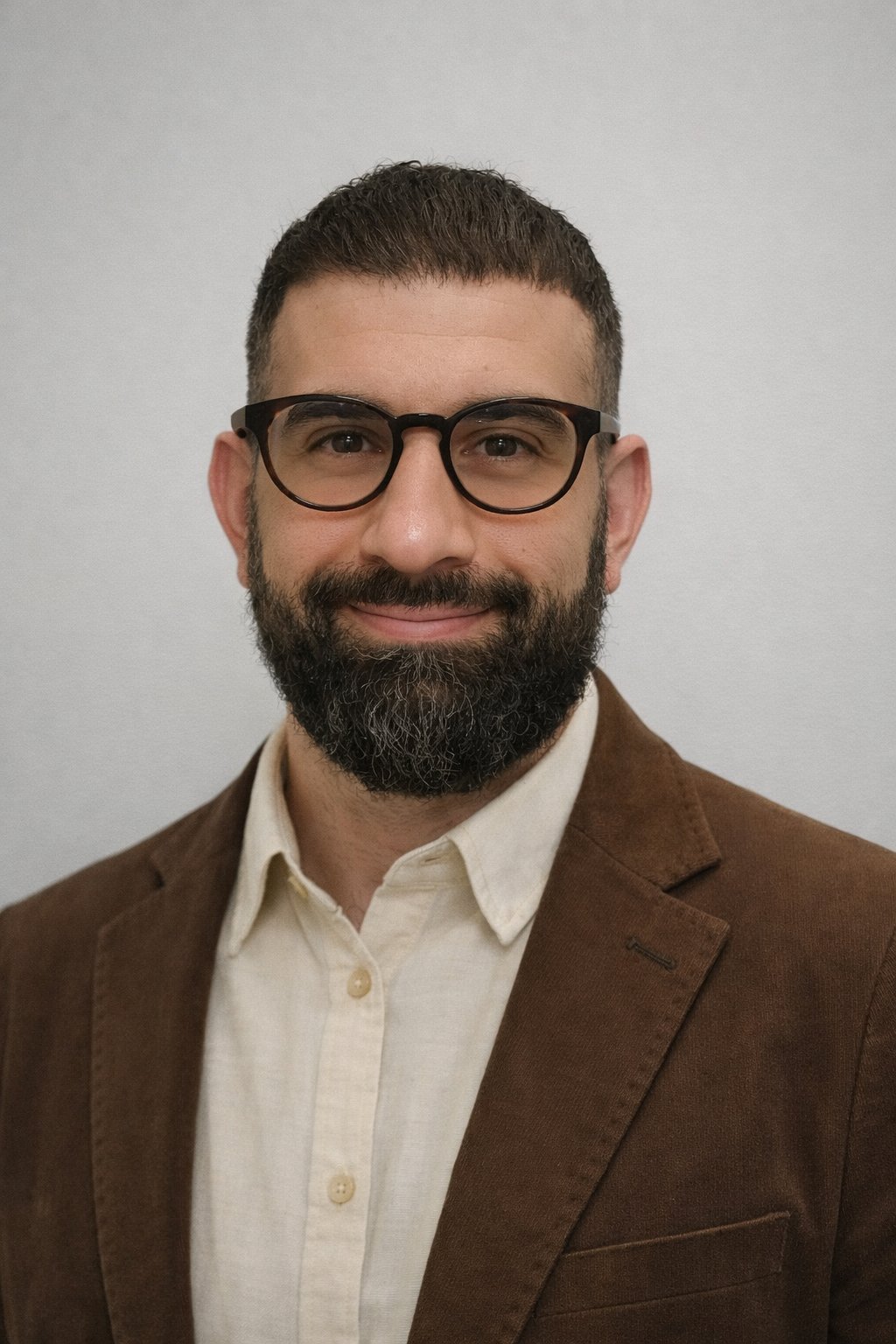
Dr. Moe Wehbe
Biotech Entrepreneur & Scientific Leader | Founder, Moeda Consulting
- Co-founder of two drug-delivery technology platforms
- Ph.D. in Pharmaceutical Sciences, University of British Columbia
- Postdoctoral research at Vanderbilt University
- Former Co-Lead of Extrahepatic Targeting at Mirai Bio
- 30+ peer-reviewed publications and drug-delivery patent experience
Dr. Wehbe’s experience spans drug delivery, gene therapy, vaccine development, scientific partnerships, intellectual property and biotech entrepreneurship. He will guide students in evaluating scientific evidence, forming testable therapeutic hypotheses, understanding development and clinical pathways, and translating complex science into clear and responsible professional recommendations.
More industry experience
Mentor Company
Moeda Consulting
Moeda Consulting is a Vancouver-based biotech strategy and innovation firm providing scientific and strategic leadership to early-stage biotechnology programs. It helps teams move from proof of concept toward executable research plans and IND-enabling development, with experience across genetics, drug delivery, AI-assisted therapeutics, vaccines and commercialization.
What Students Complete
Every research outcome must connect evidence to a defensible next step.
Together, these outcomes show how a student moves from a disease question to a scientific rationale, development pathway and understanding of what a biotech innovation requires in the real world.
Disease and Unmet-Need Brief
Explain the patient need, limitations of current treatment and why the question deserves investigation.
Literature and Mechanism Analysis
Compare key papers, evidence quality, targets and mechanisms to establish a therapeutic hypothesis.
Drug-Delivery or Platform Design
Propose a delivery system, key variables, optimization logic and expected evaluation approach.
Research and Development Roadmap
Connect discovery research, preclinical validation, clinical trials and major decision points.
Regulatory and Risk Analysis
Identify safety, quality, regulatory and feasibility concerns across development.
Intellectual-Property and Commercialization Recommendation
Examine patent protection, partnerships, manufacturing and market-entry logic.
Final Scientific Presentation
Explain the evidence, development choices, major risks and recommended next step.
AI Research Tool Prototype for the Mentor Company
Design a demonstrable AI tool for a focused literature, therapeutic-hypothesis or development-pathway task that can withstand scientific review.
How the 12 Weeks Work
From a disease question to a therapeutic proposal tested by both science and development logic.
Six stages build around one therapeutic direction. Students first understand the disease and evidence, then design delivery and development pathways before connecting clinical, regulatory, intellectual-property and commercialization considerations.
Program features and support
What Makes This Program Different
Students learn how scientific evidence becomes a workable therapeutic development plan.
Guided by a Scientist-Entrepreneur
Students learn from a mentor who understands research, drug delivery, clinical development and commercialization, seeing how laboratory discoveries move into a wider innovation pathway.
One Therapeutic Question Across the Full Program
Disease biology, evidence, delivery strategy, development pathway, regulation and commercialization all build around the same therapeutic direction.
Science Connected to Therapeutic Development
Students ask not only whether an idea is scientifically sound, but whether it can be tested, manufactured, regulated, protected and ultimately used by patients.
Students Explain Evidence and Research Choices
Technical language is not the conclusion. Students explain where evidence comes from, why a pathway was selected, what risks remain and what findings could change the recommendation.
Full program overview
From Life-Science Curiosity to the Real World of Drug Development
A promising therapy must be testable, developable and capable of reaching patients.
Students begin with a specific disease or unmet therapeutic need and examine how targets, mechanisms, delivery, clinical research, regulation and intellectual property determine whether an innovation can advance. At every stage, they return to one question: does the scientific evidence support the next development decision?
- 01Understand the disease need and unmet clinical problem
- 02Form a therapeutic hypothesis and locate critical evidence
- 03Examine targets, mechanisms and drug-delivery choices
- 04Design a research and development pathway
- 05Understand clinical, regulatory, patent and commercialization requirements
- 06Form a recommendation and explain it under scientific questioning
Professional topics and methods
Three Connected Dimensions
From Scientific Discovery to Real-World Therapeutics
The three dimensions follow one therapeutic concept from scientific evidence, through development, to the practical decisions required to bring it into the world.
Scientific Discovery
Begin with disease biology and unmet need, then examine therapeutic targets, mechanisms and the evidence supporting the idea.
- Understand disease mechanisms and unmet need
- Read and compare important scientific literature
- Examine targets, mechanisms and delivery approaches
- Form research questions that can be tested
Drug Development
Understand how a therapeutic concept moves through experiments, clinical trials, quality requirements and regulatory review.
- Map preclinical research and evidence needs
- Understand the logic of Phase I–III trials
- Examine safety, efficacy and quality requirements
- Identify regulatory milestones and development risks
Biotech Translation and Commercialization
Consider how intellectual property, manufacturing, partnerships and market access determine whether a discovery can become a usable product.
- Understand patents and intellectual-property strategy
- Examine manufacturing, scale and resource constraints
- Consider partners, funding and business models
- Explain how scientific value may benefit patients and support a viable path to market
- 01
Weeks 1–2
Disease Problem and Therapeutic Hypothesis
Select a disease or treatment need suited to the project scope, understand current limitations and define the central research question.
- 02
Weeks 3–4
Literature, Target and Mechanism
Read key papers, compare the quality of evidence, examine potential targets and mechanisms, and establish the scientific rationale.
- 03
Weeks 5–6
Drug Delivery and Research Design
Explore lipid nanoparticles, gene therapy or related platforms, then design an optimization approach, research variables and measurable outcomes.
- 04
Weeks 7–8
Clinical Development and Regulatory Pathway
Understand preclinical research, Phase I–III trials, regulatory submissions and risk management, mapping the major development decisions.
- 05
Weeks 9–10
Intellectual Property and Biotech Commercialization
Examine patents, technology transfer, manufacturing, partnerships and funding, considering how an innovation can be protected and developed. Students also design a focused AI tool prototype for a mentor-company research workflow, supporting evidence synthesis, hypothesis comparison or development decisions while checking output reliability.
- 06
Weeks 11–12
Final Research Proposal and Scientific Presentation
Integrate scientific evidence, delivery strategy, development pathway and commercialization judgment into a final presentation.
See whether this learning path is a good fit.
Apply for a Student Fit Review↓Personalized Learning Design
The scientific content is designed around each student’s foundation while preserving the same research standard.
The team considers the student’s background in biology, chemistry, data and research, then tailors preparation materials, core-concept instruction and stage-specific support. A beginner can first build foundations in disease biology, experimental design and literature reading, while a student with research experience can take on deeper delivery-platform, clinical-development, regulatory or commercialization analysis.
The pathway may differ, but every student must understand the evidence, explain research choices, identify limitations and take ownership of the conclusion.
Tailored Scientific Foundations
Preparation in disease biology, molecular science, drug delivery and research methods is selected around the student’s starting point.
Personalized Research Scope
Literature depth, technical topic, analysis method and final-outcome complexity are adjusted to the student.
Stage-Specific Scientific Support
Students receive focused guidance during literature analysis, research design, development planning and scientific communication.
Student Experiences
What Students Say
11 student perspectives
These reflections come from students across different BonaVia × ExpertEase career programs. Each card identifies the student’s original program, mentor background and year.
01/11
Ready to explore whether the program is a good fit?
Apply for a Student Fit Review↓Starting Point
Who Is This Program For?
- Open to students in Grades 9–12
- No prior biotech research, drug-development, programming or commercialization experience required
- Relevant to students exploring biology, chemistry, medicine, pharmacy, AI in healthcare, gene therapy, vaccines or biotech entrepreneurship
- Students should be ready to read scientific material, compare evidence, ask questions and complete a research outcome.
What this experience can mean for growth
Growth and University Preparation
Strong research work explains the question, evidence, uncertainty and judgment behind the proposed path.
The program title alone does not determine a university outcome. What matters is whether the student can compare scientific evidence, form a testable question, account for uncertainty and explain why one development path is more reasonable than another.
These experiences can help students understand biotechnology, biomedicine, pharmacy, medicine, public health and scientific entrepreneurship more realistically while giving them scientific thinking and work they may later discuss in applications, résumés, research portfolios and interviews.
Application process and schedule
Apply to the Program
Program Application
The program is open to students in Grades 9–12, with no prior biotech research or drug-development experience required. Preparation materials, scientific content and project support are personalized to the student’s starting foundation and pace so they can build the required knowledge and complete a therapeutic research proposal and final scientific presentation.
Application Process
- 01Interest Form
- 02Fit Assessment & Interview
- 03Admission and Enrolment
The regular format runs for 12 weeks, with an average commitment of 10+ hours per week. The summer intensive runs for about 1.5 months, with an average commitment of 20+ hours per week. The program is fully online.
Start Here
Complete the 1-Minute Student Fit Form
Tell us about the student’s current grade, life-science interests and goals. BonaVia will consider the student’s commitment, learning style and starting foundation, then help the family understand whether this experience is a good fit.
Selected programBiotech Innovation & Drug Development Career Program
Thank you. Your form has been received.
We have received the Student Fit Form for the Biotech Innovation & Drug Development Program. BonaVia will review the student’s grade, goals, current scientific foundation and readiness, then follow up to discuss fit and next steps.