Filter by grade, interest, location, format and cost. Each resource explains who it is for, why it is worth a closer look, what students complete or take away, and what to check before applying.
Check eligibility first, then compare commitment, outcomes and application requirements. Filters include both a resource’s primary focus and well-supported related fields.
Dates, eligibility and fees can change. Review the organizer’s current details before applying.
125curated resources
ProgramPaid
BonaVia × ExpertEase Career Program
Featured Program
Private Equity & Investment Banking Career Program
BonaVia x ExpertEase
What it is
Research a real company and its industry, build an LBO model, develop an AI tool prototype for the mentor company, and defend an investment thesis before an investment committee.
Who it’s for
High-school students exploring business, finance, investment banking, or private equity who are ready for a substantial 120-hour project.
Why explore it
It lets students follow the thinking process of a professional investor, see how financials, markets, and risk shape an investment decision, and use AI to improve a real workflow.
What students complete or take away
Every student completes an LBO model, industry and comparable company research, an approximately 20-page investment committee package, an AI tool prototype for the mentor company, and a final investment presentation.
Before you start
Fully online across 12 weeks, with 120 hours in total.
AI, Data Engineering & Machine Learning Career Program
BonaVia x ExpertEase
What it is
Students begin with a concrete problem and trace how data is collected, cleaned, organised, stored and transformed. They then examine how a model learns, how it is evaluated and how engineering teams turn a research result into a system that can support a product decision. Throughout the project, they ask one question: is this AI result reliable, explainable and appropriate for the problem it is meant to solve?
Who it’s for
Open to students in Grades 9–12
Why explore it
The program title alone does not determine a university outcome. What matters is whether the student can explain the data, training process, evaluation, uncertainty and product decisions behind the final system.
What students complete or take away
Together, these outcomes show how a student defines a problem, works with data, builds a model, evaluates evidence and translates technical work into product judgment.
Before you start
The regular format runs for 12 weeks, with an average commitment of 10+ hours per week. The summer intensive runs for about 1.5 months, with an average commitment of 20+ hours per week. The program is fully online.
Biotech Innovation & Drug Development Career Program
BonaVia x ExpertEase
What it is
Students begin with a specific disease or unmet therapeutic need and examine how targets, mechanisms, delivery, clinical research, regulation and intellectual property determine whether an innovation can advance. At every stage, they return to one question: does the scientific evidence support the next development decision?
Who it’s for
Open to students in Grades 9–12
Why explore it
The program title alone does not determine a university outcome. What matters is whether the student can compare scientific evidence, form a testable question, account for uncertainty and explain why one development path is more reasonable than another.
What students complete or take away
Together, these outcomes show how a student moves from a disease question to a scientific rationale, development pathway and understanding of what a biotech innovation requires in the real world.
Before you start
The regular format runs for 12 weeks, with an average commitment of 10+ hours per week. The summer intensive runs for about 1.5 months, with an average commitment of 20+ hours per week. The program is fully online.
Students begin with a specific company or market challenge, study customer needs, competition, product value, channels and growth opportunities, then turn scattered information into a prioritised recommendation. Throughout the project, they ask one question: why might this strategy work, and what evidence would prove it?
Who it’s for
Open to students in Grades 9–12
Why explore it
The program title alone does not determine a university outcome. What matters is whether the student can explain the customer research, market evidence, constraints and priorities behind the final recommendation.
What students complete or take away
Together, these outcomes show how a student understands a business problem, develops strategy, creates an execution plan and explains the judgment behind it.
Before you start
The regular format runs for 12 weeks, with an average commitment of 10+ hours per week. The summer intensive runs for about 1.5 months, with an average commitment of 20+ hours per week. The program is fully online.
Students begin with a specific brand or communication objective, study audiences, platform behaviour, content formats, creator partnerships and performance measures, then turn scattered ideas into a marketing system that can be executed and reviewed. Throughout the project, they ask one question: why will this content matter to the intended audience?
Who it’s for
Open to students in Grades 9–12
Why explore it
The program title alone does not determine a university outcome. What matters is whether the student can explain the audience research, content system, platform choices, creator strategy and performance data behind the final plan.
What students complete or take away
Together, these outcomes show how a student moves from a brand objective to content, distribution and data-informed judgment, turning creativity into a professional marketing proposal.
Before you start
The regular format runs for 12 weeks, with an average commitment of 10+ hours per week. The summer intensive runs for about 1.5 months, with an average commitment of 20+ hours per week. The program is fully online.
Marketing, Brand Strategy, Entrepreneurship & Product Innovation Career Program
BonaVia x ExpertEase
What it is
Students begin with a specific brand or product-growth challenge and examine why customers buy, how the product creates value, how the brand earns trust, how channels reach users, and how inventory, logistics, cost and team execution affect growth. Throughout the project, they ask one question: can this idea attract customers and operate as a viable business?
Who it’s for
Open to students in Grades 9–12
Why explore it
The program title alone does not determine a university outcome. What matters is whether the student can explain the consumer research, product choices, growth constraints and operating priorities behind the final plan.
What students complete or take away
Together, these outcomes show how a student understands consumers, builds a brand, designs product and growth strategy, and turns creativity into an executable commercial proposal.
Before you start
The regular format runs for 12 weeks, with an average commitment of 10+ hours per week. The summer intensive runs for about 1.5 months, with an average commitment of 20+ hours per week. The program is fully online.
An after-school science program in Vancouver with experiments, research conversations and sessions with professionals.
Who it’s for
Students entering Grade 10 or 11 who can attend in person consistently.
Why explore it
Move from reading about science to asking, testing and discussing questions.
What students complete or take away
Complete science activities and practise recording and communicating your work.
Before you start
Start with Discover; Innovate requires Discover completion. The site is collecting interest for 2027–28, not advertising an open current-year intake. Confirm new-cohort fees, bursaries and schedules.
Apply to support arts, learning or social activities for children with disabilities.
Who it’s for
Students ready to listen, adapt and make a dependable service commitment.
Why explore it
Learn how thoughtful support changes with each participant’s needs.
What students complete or take away
After screening and training, take on practical activity-support tasks.
Before you start
Check the current schedule first. The public page does not specify a minimum age; confirm student eligibility, location, costs and commitment with SDC. Screening follows the application, so submitting a form does not secure a placement.
Cultural connection, peer activities and mentoring that support belonging and confidence.
Who it’s for
Indigenous self-identified girls, Two-Spirit, trans and non-binary youth aged 13–18.
Why explore it
Explore your next steps in a setting that makes room for your culture and experience.
What students complete or take away
Join activities and build a supportive network.
Before you start
Free, through participating Vancouver schools. Check school participation and the next intake; this is not a general mentorship program for every student.
School and community workshops on healthy relationships, communication and violence prevention.
Who it’s for
Young people who want to better understand respect and communication in everyday relationships.
Why explore it
Discuss questions that can be hard to raise on your own.
What students complete or take away
Practise communication and recognize healthy boundaries.
Before you start
Workshops serve ages 12–30 and are booked through schools or organizations. A separate leadership program for ages 18–30 is planned for April 2027; it is not the current workshop intake.
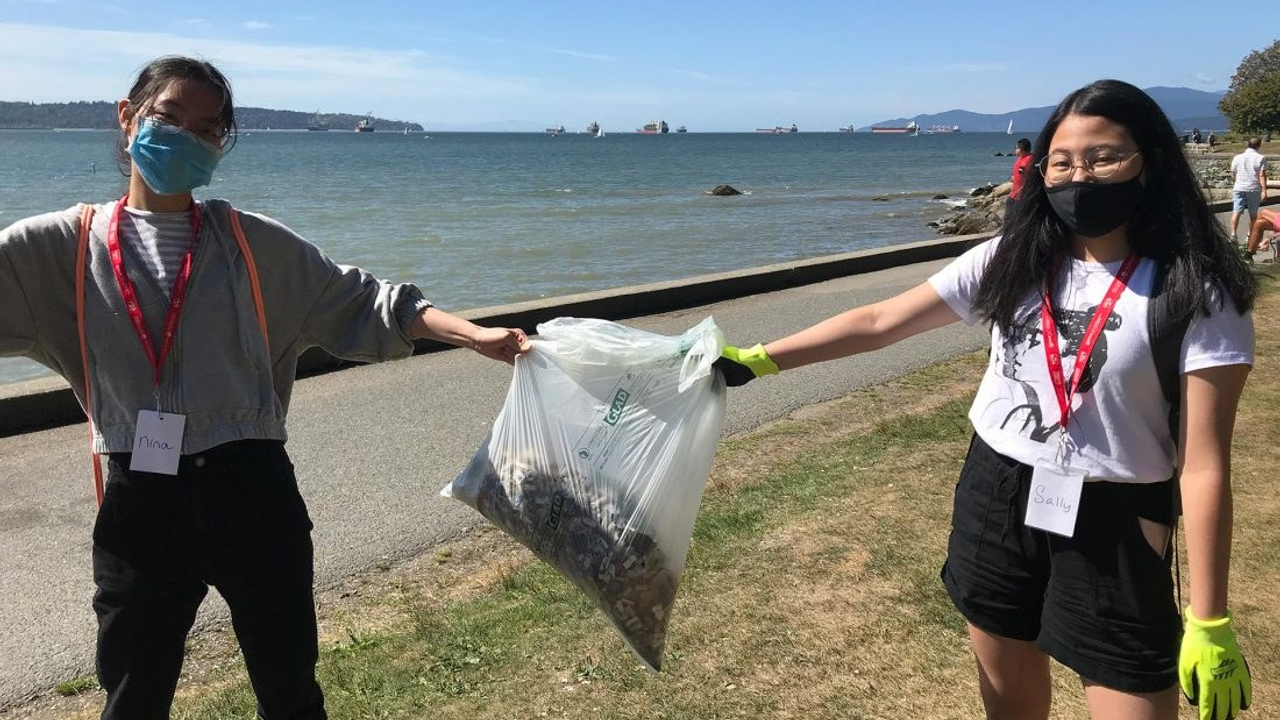
Explore free learning kits, an online ocean-literacy course, virtual classes, mobile education and climate activities.
Who it’s for
Students, families and schools interested in oceans, ecology and climate.
Why explore it
Connect ocean science with everyday choices and local environments.
What students complete or take away
Complete learning activities and identify an environmental question to investigate.
Before you start
Kits and selected online learning are free. Booked and in-person programs have their own ages, locations and fees. Waves of Change serves Canadian K–12 students; not every offering is available worldwide.
A K–12 hub for school materials, accessibility activities and presentations from people with lived experience.
Who it’s for
Students and educators interested in disability inclusion and community action.
Why explore it
Notice how the same space can work very differently for different people.
What students complete or take away
Use the materials to investigate a school barrier and plan a thoughtful response.
Before you start
Resource-library access and booked Ambassador Presentations follow different processes. If you would like to join the youth committee, ask the foundation about applications and opening dates.
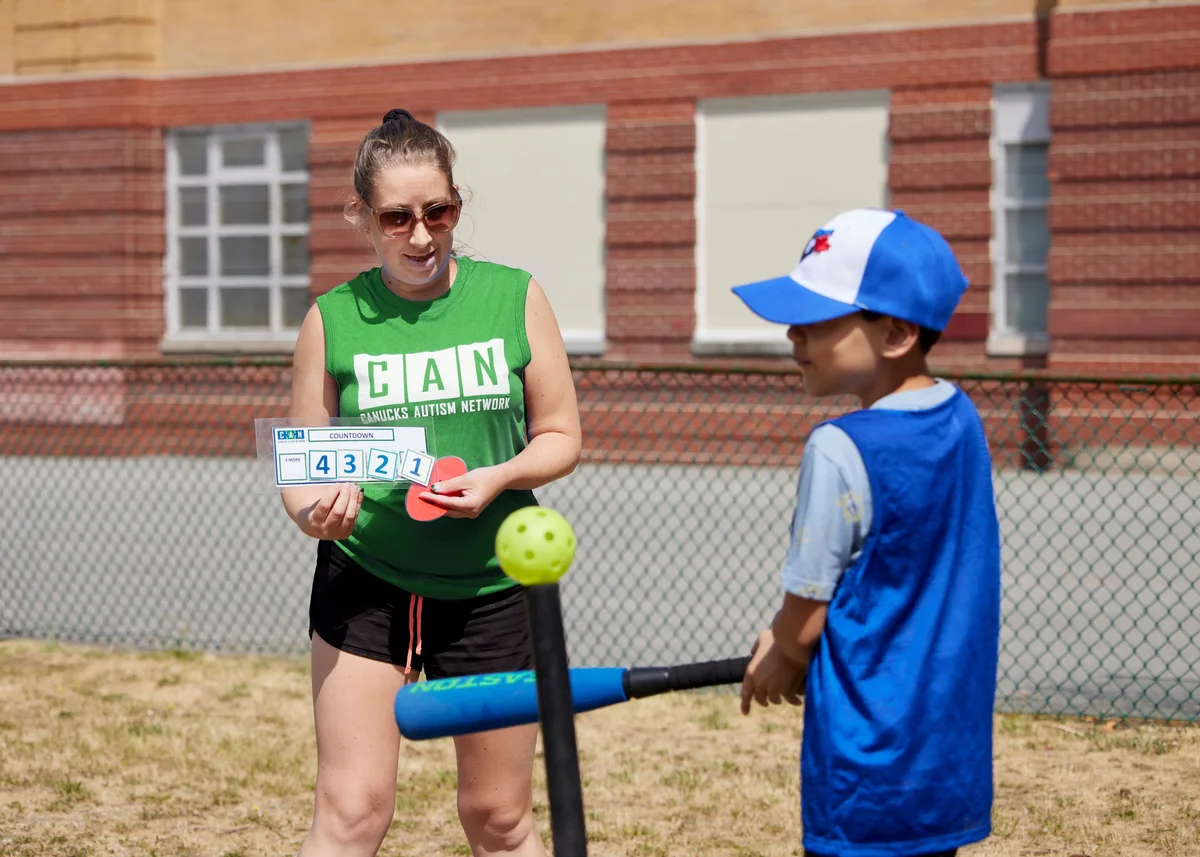
Support activities for the autism community with training and guidance from program staff.
Who it’s for
Students ready to attend reliably and learn participant-centred support skills.
Why explore it
Understand different needs through working alongside people.
What students complete or take away
Complete training and carry out assigned volunteer responsibilities.
Before you start
The volunteer page says 15+, while the FAQ says 16+. Applicants aged 15 must check with CAN first. All applicants should confirm local roles, screening, costs and time commitments.
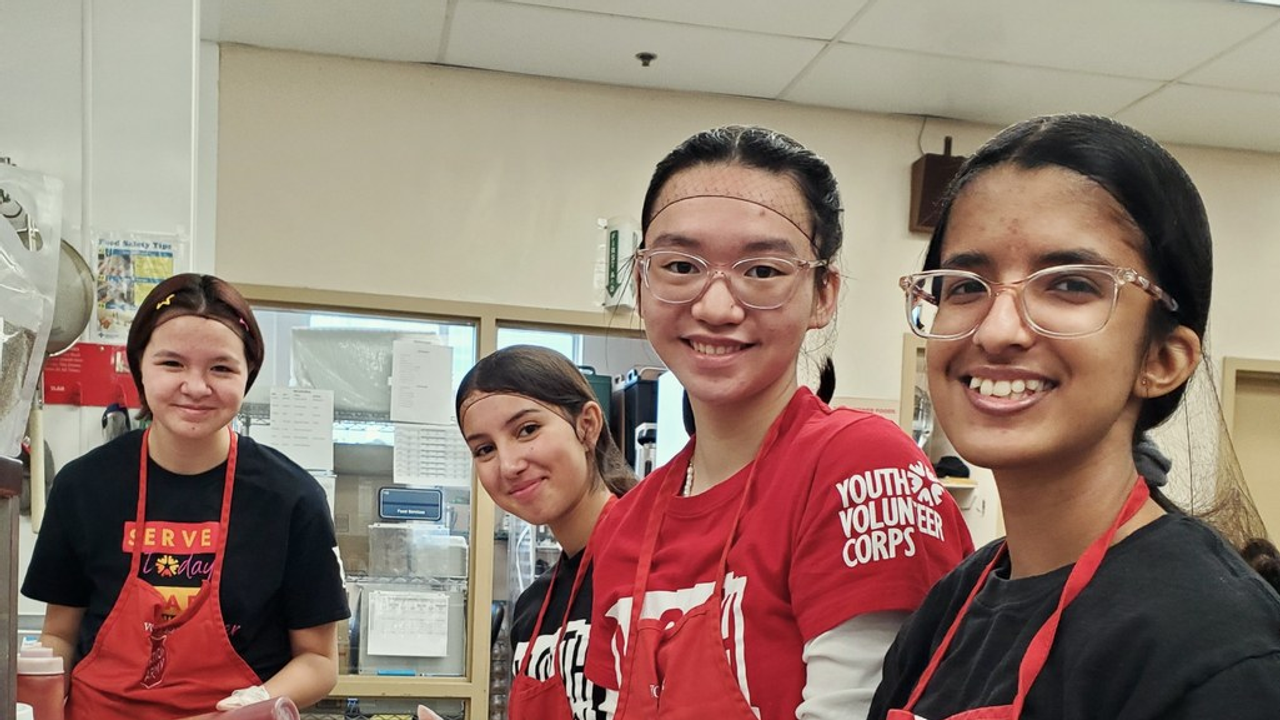
Explore individual and group opportunities supporting food-bank operations.
Who it’s for
Students aged 15+ who can reliably carry out scheduled tasks.
Why explore it
See the organization and teamwork behind community food support.
What students complete or take away
Complete assigned sorting, distribution or other support duties.
Before you start
Under-18s should check parental-consent requirements. School groups use a separate booking process. Confirm current roles, locations, shifts and requirements before attending.
A directory of academic support, employment preparation, wellbeing, youth exchanges and leadership programs.
Who it’s for
BC youth looking for support with school, everyday life or career exploration.
Why explore it
Growing up also means having somewhere to ask for help and connect.
What students complete or take away
Find a suitable service and build skills or a practical next-step plan.
Before you start
Free programs have different eligibility: Y Mind Teen serves ages 13–18; Youth Employment Bootcamp, 15–30; Foundry Work & Education, 15–24. Check location, availability and individual requirements.
Technical training, a social-development project and volunteering with children’s STEM camps.
Who it’s for
First-time LIT applicants in BC’s Lower Mainland entering Grades 10–12.
Why explore it
Build something while learning how to support younger learners.
What students complete or take away
Contribute to a project, camp activities and a final showcase.
Before you start
2026 applications are closed. That cohort required at least two camp weeks, training and additional project time, with screening after acceptance. Check the next intake for eligibility and costs.
A STEM directory including Exploring AI, Invent the Future and links to online learning.
Who it’s for
Grades 8–12 students who want to try technology through workshops and hands-on activities.
Why explore it
Try a specific topic before deciding how deeply to pursue it.
What students complete or take away
Complete exercises, creative work or technical exploration in your chosen activity.
Before you start
A directory listing is not an open intake. Some pages retain past editions. Check each current program for grade and other eligibility, fees and dates.
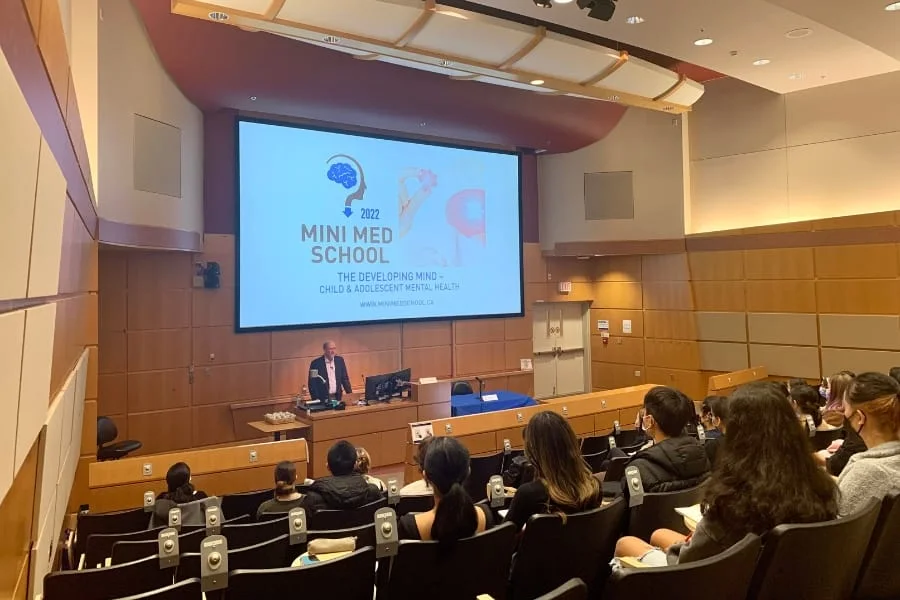
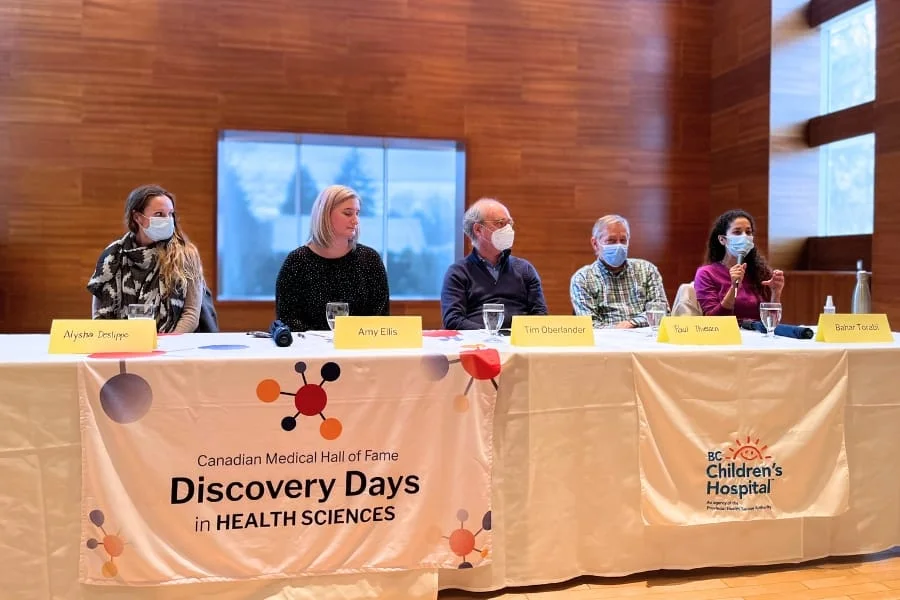
BC Children’s Hospital Research Institute · Mini Med School
What it is
Explore health research through live sessions and self-directed recordings.
Who it’s for
Students in BC and Yukon interested in health science, with eligibility set by format.
Why explore it
See how research connects with questions in patient care.
What students complete or take away
Record research questions and explore which health fields interest you.
Before you start
The fall series is for Grade 12; self-directed learning serves Grades 8–12. The 2026 Prince George event for Grades 10–12 has ended. Check registration, costs and completion requirements for your format.
Emily Carr University of Art + Design · Youth Programs
What it is
Find teen courses, spring-break camps, summer studios and gallery partnerships.
Who it’s for
Ages 12–18 exploring art, design or media, with different ages for each program.
Why explore it
Discover your creative interests by making and discussing work.
What students complete or take away
Create pieces and develop a sustained creative practice.
Before you start
The four-week Summer Institute for Teens serves ages 16–18; spring-break camps and Teen Art Group serve 15–18. Other offerings differ. Check new-cohort dates, tuition and availability on this current university hub.
Learning kits, classroom activities and school-speaker support covering generative AI, applications, careers and critical thinking.
Who it’s for
Students and schools seeking teacher-supported AI learning.
Why explore it
Go beyond using a tool to understanding it and judging its output.
What students complete or take away
Complete learning tasks and discuss AI’s uses and limits.
Before you start
Free, with teachers, schools and school boards as the main applicants. Materials connect with Alberta’s curriculum. Ask a teacher about access; this is not a student research placement.
Public AI activities, discussion guides and reflection exercises, including Grades 8–12 versions.
Who it’s for
Students, families and educators exploring how AI works and how to evaluate it.
Why explore it
Understand AI through agriculture, conservation and social-media examples.
What students complete or take away
Try activities or a classification model and reflect on your decisions.
Before you start
Public materials are available to use. Some activities need facilitation, equipment or third-party tools. Local Actua camps have separate registration and fees; free materials do not mean free camps.
A family-facing collection of guides and activities about media and digital life.
Who it’s for
Students and parents who want to judge information more carefully and discuss online habits.
Why explore it
Learn to notice the influence of advertising and platform recommendations.
What students complete or take away
Use an activity or discussion guide to reflect on how you read online content.
Before you start
Choose age-appropriate resources. Teacher versions and licensed or account-based offerings may have different access terms. This is a learning collection, not an admissions program or competition.
Teen scenarios exploring AI chatbots, privacy, dependence and independent judgment.
Who it’s for
Students who use AI for learning or conversation and want more intentional habits.
Why explore it
Turn abstract AI-safety questions into everyday choices you can discuss.
What students complete or take away
Read the scenarios and use the family or classroom prompts to reflect.
Before you start
The official launch page links to the resources and parent/educator guides. Activities can be discussed without sharing personal experiences or private information with an AI tool.
Self-paced online learning and school workshops on AI, online relationships and digital wellbeing.
Who it’s for
Grades 6–12 students, with grade-specific workshop options.
Why explore it
Discuss how technology affects judgment, relationships and daily life.
What students complete or take away
Complete a workshop and identify one digital habit to improve.
Before you start
Free. Responsible AI and happiness serve Grades 9–12; in control and impact serve Grades 6–9. Online learning is self-paced; live sessions depend on location, group size and advance booking.
Google’s digital-skills lessons remain free to view through its new Education Learning Center.
Who it’s for
Students who want to learn digital tools through practical exercises.
Why explore it
Learn a tool in the context of something you want to accomplish.
What students complete or take away
Complete a digital artifact or exercise from your chosen lesson.
Before you start
The old platform closed on June 30, 2025. This official help page points to edu.exceedlms.com. Under-13s cannot sign in, but can still view Applied Digital Skills content.
The district directory covers dual credit, trades training, registered youth apprenticeships, work experience and Job Training.
Who it’s for
VSB students exploring careers, trades or post-secondary learning during high school.
Why explore it
Connect school learning with training providers, communities and workplaces.
What students complete or take away
Build practical skills, course work or eligible credits, depending on the program.
Before you start
Check grades, prerequisites, costs, schedules and applications with your school’s career teacher or counsellor. Not every pathway accepts direct applications or awards both kinds of credit.
North Vancouver School District · Career Pathways 44
What it is
Explore health dual credit, early-childhood education, YELL, trades, work experience and career events.
Who it’s for
North Vancouver district students connecting school courses with career exploration.
Why explore it
Start with the opportunities and support already available through your school.
What students complete or take away
Complete skills training, work-experience activities or course tasks, depending on the pathway.
Before you start
Confirm grades, credits, selection, costs and schedules with your school. External events have their own rules; a directory listing does not confirm available places.
Find youth activities, volunteering and participation opportunities through community centres.
Who it’s for
Students who want to contribute locally and meet peers.
Why explore it
Start with a real neighbourhood need rather than an impressive résumé.
What students complete or take away
Support activities or take part in a local youth initiative.
Before you start
Centres set their own ages, recruitment, training and costs. Check with local youth staff. The city directory is not a single open placement or a confirmed citywide leadership certificate.
K–12 AI guidance, student materials and family resources from BC’s education ministry.
Who it’s for
Students, parents and educators discussing AI use at school.
Why explore it
Build a shared vocabulary for decisions that go beyond simply allowing or banning a tool.
What students complete or take away
Discuss checking outputs, keeping track of your thinking and following course expectations.
Before you start
Public materials are available online. Schools and teachers still set assignment rules; these resources do not authorize every AI use in every classroom.
School and community programs in money skills, business simulations, entrepreneurship and career readiness, with links to TechWorks.
Who it’s for
Students curious about money, business decisions and the working world.
Why explore it
Put economic ideas into practical choices and simulations.
What students complete or take away
Complete budgeting, business, career-exploration or entrepreneurship tasks.
Before you start
Free, mainly arranged by educators or organizations, with different grades for each course. JA Company Program has its own Atlas listing. Check the 2026–27 menu for course selection and booking.
Regular written exchanges and online mentor meetings to explore STEM and skilled trades while developing a project.
Who it’s for
Canadian high-school students interested in these fields, subject to the current intake’s eligibility.
Why explore it
Turn an interest into sustained questions, feedback and experimentation.
What students complete or take away
Develop a STEM project and practise project management and communication.
Before you start
The site describes weekly written exchanges, monthly virtual meetings and possible project-funding applications. Confirm recruitment, eligibility, costs and commitment. Funding is not automatic.
Hands-on Vancouver STEAM programs connecting design, games, music production and mathematics.
Who it’s for
Students who enjoy making and collaborating, with grades set by each studio.
Why explore it
Find what holds your interest by creating and improving work.
What students complete or take away
Make characters, digital pieces, beats or other project work.
Before you start
Fall 2026: Dice & Design serves Grades 8–12; Beat Making, 10–12; Math Club, 7–9. Check program fees and scholarships. Programs welcome youth of all backgrounds, not only Black youth.
Science Fair Foundation BC · Regional Science Fairs
What it is
Find your regional fair, develop research or engineering work and present it to judges.
Who it’s for
Students ready to pursue a question and document methods and results.
Why explore it
Find the actual entry route before planning your project timeline.
What students complete or take away
Produce a report, display or prototype and answer judges’ questions.
Before you start
This 13-region directory provides the local route toward the Canada-Wide Science Fair. Listed spring 2026 dates have passed. Confirm 2027 grades, rules, fees and dates with your region; national entry is not direct.
Monthly online office hours and a mentor-contact route for students already developing a science project.
Who it’s for
Students with a hypothesis or project design and a specific problem to work through.
Why explore it
Learn to turn a difficulty into a question an expert can help answer.
What students complete or take away
Use targeted advice to revise your methods or explanation yourself.
Before you start
Mentors do not choose or complete projects, or provide laboratory access. Prepare your design and focused questions first. Register for online meetings and confirm current arrangements and any costs.
Science Fair Foundation BC · Youth Innovation Showcase
What it is
An online STEM competition for ideas that address a personal or community challenge, from concept to tested prototype.
Who it’s for
Youth aged 12–19 on August 10, 2026 who meet BC or Yukon residency rules.
Why explore it
Explain an innovation clearly enough for others to assess it.
What students complete or take away
Submit videos, an innovation report and project materials.
Before you start
2026 registration closes September 28; the fee is CAD 25. Enter alone or in a pair. Two age categories are assessed separately. Check submission and guardian-consent requirements; future editions have different dates.
Science Fair Foundation BC · Science Fair Accelerator
What it is
Six sessions with mentor feedback to improve an existing science-fair project’s design, testing and presentation.
Who it’s for
Grades 7–12 students with a developed idea and plans to enter a BC or Yukon regional fair.
Why explore it
Apply more rigorous methods to your own project.
What students complete or take away
Improve your research plan, experiments or prototype testing and presentation.
Before you start
Fall 2026 applications closed August 31. That cohort costs CAD 100 per project; the site lists CAD 450 from 2027. Watch for the next intake. Students must arrive with their own developed idea.
Small grants for youth project materials, research, equipment access and eligible science-fair costs.
Who it’s for
BC and Yukon students aged 9–18 with a defined STEM project need.
Why explore it
Turn a project need into a clear, realistic budget.
What students complete or take away
Prepare a proposal and budget; use approved funding for eligible expenses.
Before you start
Student grants are CAD 50–200; the next round is scheduled to open September 14, 2026. A separate educator Classroom Grant offers up to CAD 500, but its 2026 intake is closed. Funding is not automatic.
Rick & Amanda Hansen Scholarship for Youth with Disabilities
What it is
Support for eligible youth with disabilities entering full-time study at publicly funded Canadian post-secondary institutions.
Who it’s for
Eligible Canadian citizens or permanent residents, including school-leavers preparing for post-secondary study.
Why explore it
Include practical financial support in your education planning.
What students complete or take away
Prepare application documents, a study plan and required verification.
Before you start
2026–27 applications are closed. That round required applicants to be under 30 on May 15, 2026, qualify for domestic tuition and meet limits on other awards. Funding can reach CAD 10,000 annually, CAD 40,000 total. Check full rules and future dates.
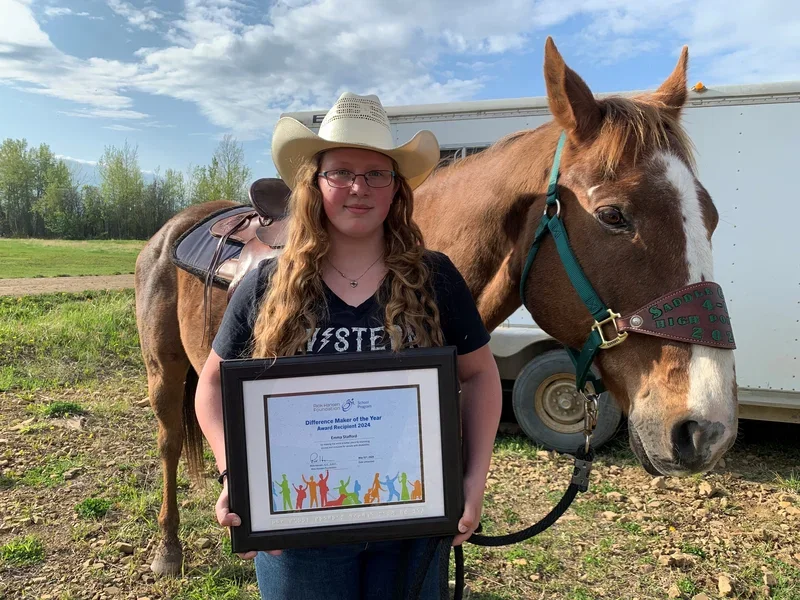
Rick Hansen Foundation · Difference Maker of the Year Awards
What it is
Recognition for youth improving disability inclusion and accessibility in schools or communities.
Who it’s for
Canadian residents aged 5–18, individually or in youth groups, with completed action to describe.
Why explore it
Document the concrete changes a community initiative has made.
What students complete or take away
Prepare a nomination explaining the work, participation and impact.
Before you start
2025–26 nominations are closed. Awards are CAD 500 for individuals and CAD 1,000 for groups or classrooms. Projects must meet disability-benefit criteria; self-nominations need an unrelated adult reference. Check the next edition separately.
Join supervised service or design and deliver a community project of your own.
Who it’s for
Students ready to turn a community interest into sustained action.
Why explore it
It connects service hours with a problem, responsibility, budgeting and reflection.
What students complete or take away
Complete a service experience or build a demonstrable community project.
Before you start
Open to Canadian citizens, permanent residents, or youth with granted refugee status aged 12 to 30. Flexible placements require at least 120 hours; full-time placements typically require 30 hours per week for at least three consecutive months. Individual placements may add regional or thematic requirements.
Build and present an app, web product or AI solution around a real problem.
Who it’s for
Girls ready for sustained teamwork, real users and a concrete product outcome.
Why explore it
Technology, user research, business thinking and communication meet in one project.
What students complete or take away
Complete a working solution, presentation materials and a team project experience.
Before you start
Competition submissions are limited to girls, non-binary, and gender-nonconforming youth aged 8 to 18, working alone or in teams of up to five. The curriculum is free for everyone, but students outside the competition eligibility cannot submit an entry.
A four-week immersive program in STEAM, design challenges, mentorship and peer learning.
Who it’s for
Students ready for a full-cycle, interdisciplinary peer experience.
Why explore it
It lets students test interests, resilience and problem-solving through intensive collaboration.
What students complete or take away
Complete team challenges, presentations and a substantial residential or online experience.
Before you start
For 2026, applicants must be completing Grade 10 or 11. International students may apply but are not eligible for Shad-funded aid or scholarships. For 2026, applicants must be completing Grade 10 or 11 and must attend the full program. International students may apply but are not eligible for Shad-funded aid or scholarships.
Study advanced engineering topics in week-long courses with published prerequisites.
Who it’s for
High-school students with a confirmed STEM interest and relevant foundations.
Why explore it
It helps distinguish broad enthusiasm for technology from interest in a specific engineering problem.
What students complete or take away
Complete course work and gain a more concrete view of an engineering field.
Before you start
Grade 9/10 courses require Grade 9 math and science by June. Grade 11/12 courses require Grade 11 math and science, including chemistry and physics, by June. A one-week course is not research; compare course fit, price and alternatives.
Set and document long-term goals across skills, physical recreation, service and an adventurous journey.
Who it’s for
Young people aged 14–24 who want structure and continuity across existing activities.
Why explore it
Its non-competitive framework emphasizes personal progress and long-term self-management.
What students complete or take away
Complete a Bronze, Silver or Gold level with a documented record of growth.
Before you start
For ages 14–24, with completion before the 25th birthday. Start through an Award Centre or Virtual Award Centre; confirm fees, activity arrangements and financial support with that route.
Join a three- to five-week English or French immersion experience in another part of Canada.
Who it’s for
Students 13+ who meet study-status and citizenship or permanent-residency rules.
Why explore it
An intensive language environment tests communication and adaptability better than occasional practice.
What students complete or take away
Complete an immersion course and gain practical language and cross-cultural experience.
Before you start
Applicants must be Canadian citizens or permanent residents and have studied part-time or full-time for at least one term in the current school year. Applicants must be Canadian citizens or permanent residents, meet the host institution’s minimum age, and have studied part-time or full-time for at least one term in the current school year. Refugee status alone is not listed as eligible.
Complete case analysis, role plays or written projects in marketing, finance, entrepreneurship, law and management.
Who it’s for
Grade 9–12 Ontario students drawn to business problems, speaking and time-bound judgment.
Why explore it
Cases require students to turn concepts into live judgment and persuasive communication.
What students complete or take away
Complete a case presentation, written project, or regional, provincial and international competition experience.
Before you start
Open to Ontario students in Grades 9–12. Registration must go through a school chapter and Chapter Advisor, and the school may add selection, capacity and commitment rules. Registration must go through the student’s school DECA chapter and Chapter Advisor. Schools may set chapter size, selection and commitment rules; membership, regional and provincial costs are separate.
Prepare for national competitions across business, finance, entrepreneurship, technology and leadership, with optional training through a school or community chapter.
Who it’s for
Canadian high-school students who want to test business knowledge, communication and teamwork through competition.
Why explore it
It turns a broad business interest into concrete work that can be practised, presented and judged.
What students complete or take away
Complete event preparation, a competition submission or live performance, and a business and leadership experience worth reviewing.
Before you start
Open to Canadian high-school students. Students may join a school or community chapter, but chapter membership is not required for the national conference; confirm the current registration window. A school or community chapter can provide training, but chapter membership is not required to compete at the Canadian National Leadership Conference. Chapter and individual registration windows change each year.
Target Alpha Financial Literacy and Investment Competitions
Target Alpha Canada
What it is
Enter stock research and pitch, simulated trading, or financial-planning case competitions that turn financial knowledge into decisions judges can examine.
Who it’s for
High-school students interested in finance, investing, business analysis or financial planning who are ready to research and explain their judgment.
Why explore it
It goes beyond terminology by asking students to support choices with evidence and respond to industry judges.
What students complete or take away
Complete a stock pitch, trading strategy or team financial-planning proposal and gain a national competition experience.
Before you start
Open to high-school students. Team format, cost, online or in-person delivery, and registration timing vary by competition and must be confirmed for the current season. Some events may be online or hybrid. Team format, fees, registration and season dates change each year, so do not rely on a prior cycle.
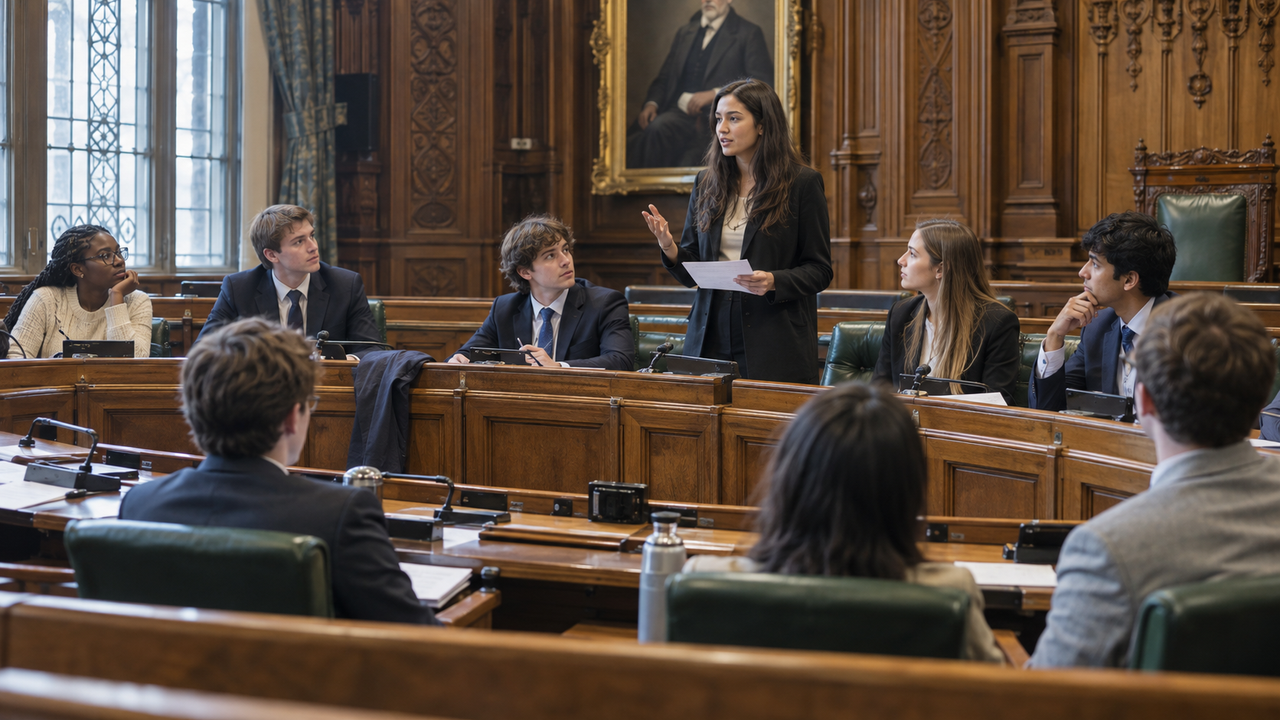
Represent a country at a national-level MUN conference in Toronto through position research, committee debate, negotiation and resolution writing.
Who it’s for
Current secondary-school students who want to build global-issue research, public speaking, negotiation and real-time judgment.
Why explore it
It asks students to build workable consensus across different positions, not simply state their own views.
What students complete or take away
Complete a position paper, committee speeches and negotiation, gaining a full diplomatic simulation experience.
Before you start
Open worldwide to current secondary-school students with no MUN experience required. Students may register with a delegation or independently; delegations require a chaperone, while independent delegates do not. Open worldwide to current secondary-school students with no prior experience required. Students may attend with a school delegation or independently. Delegations require a chaperone; independent delegates do not. Meals are not included in the fee.
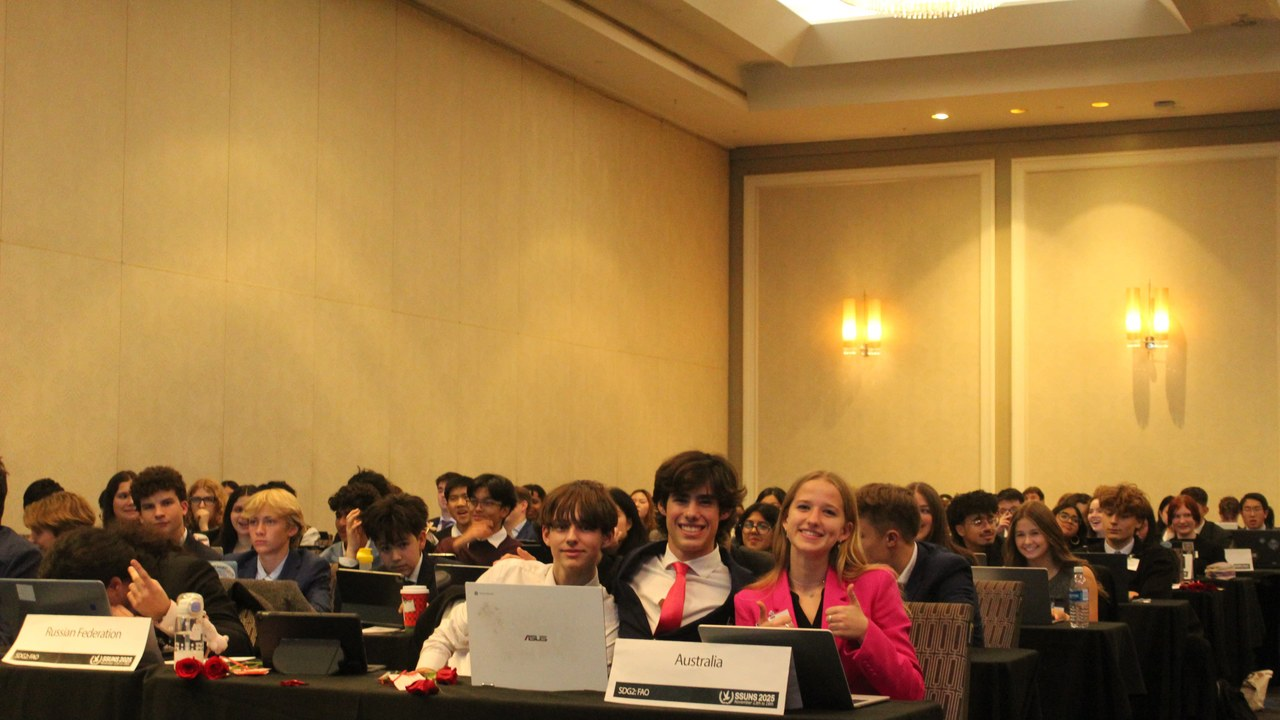
McGill SSUNS High School Model United Nations Conference
Secondary Schools’ United Nations Symposium
What it is
Join a large high-school MUN conference organised by McGill students, researching issues, negotiating and building resolutions across varied committees.
Who it’s for
High-school or Cégep students ready to develop research, diplomacy, leadership and public speaking in a large, diverse delegate environment.
Why explore it
Committees at different levels and formats give both newer and experienced delegates a clear, demanding role.
What students complete or take away
Complete pre-conference research, committee negotiation and formal speaking while building a cross-school MUN experience.
Before you start
Open to high-school and Cégep delegates. The 2026 conference is in Montréal; confirm delegation steps, fees, deadlines and financial aid through the current MUNager page. SSUNS 2026 runs November 12–15, 2026 in Montréal, with registration now open. Use MUNager for delegation steps, fees, deadlines and financial-aid details.
Choose from the official anthology, memorize poems and perform through school and later rounds.
Who it’s for
Grades 7–12 students developing textual interpretation, voice and performance.
Why explore it
Memorization is not the endpoint; value comes from interpreting language, rhythm and meaning.
What students complete or take away
Prepare two poems deeply, perform formally and receive adjudication.
Before you start
The Junior division is for Grades 7–9. The Senior division is for Grades 10–12, with competitors aged 18 or younger by the season’s stated date. A teacher typically runs the school round; confirm annual rules and submission dates.
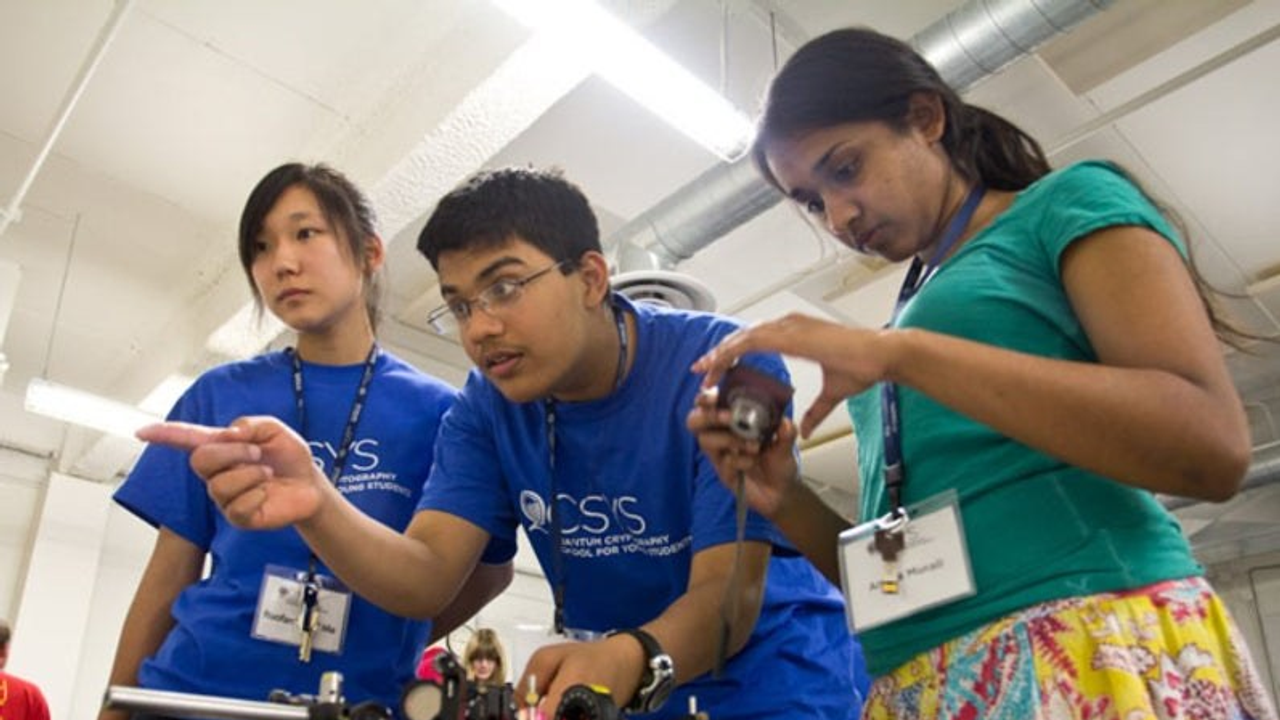
Explore quantum information through live lectures, discussion, problem-solving and mentoring.
Who it’s for
Canadian Grade 11–12 students with strong mathematics and genuine curiosity about quantum science.
Why explore it
It moves abstract curiosity into real mathematics, physics and researcher interaction.
What students complete or take away
Complete an intensive program, problem sets and a foundation in quantum concepts.
Before you start
The 2026 core program is online, with an optional lab day for Waterloo-area students. The current public page does not state grade or residency eligibility, so confirm the active application criteria. Free and selective; application is required, with exceptional Grade 10 students sometimes considered.
A two-part national qualifier tests AI foundations and applied problem solving across Python, mathematics, machine learning and algorithmic thinking.
Who it’s for
Full-time students in Grades 9 through 12 who already have foundations in Python and mathematics and are ready for structured preparation.
Why explore it
It tests understanding of models, data and problem solving rather than familiarity with generative AI tools alone.
What students complete or take away
Complete a demanding AI skills assessment; selected students may be invited to the January 2027 national training camp and later team selection.
Before you start
Registration closes November 5, 2026, and the qualifier takes place November 8. The official site gives conflicting information about the opening date, so confirm availability and fees before registering.
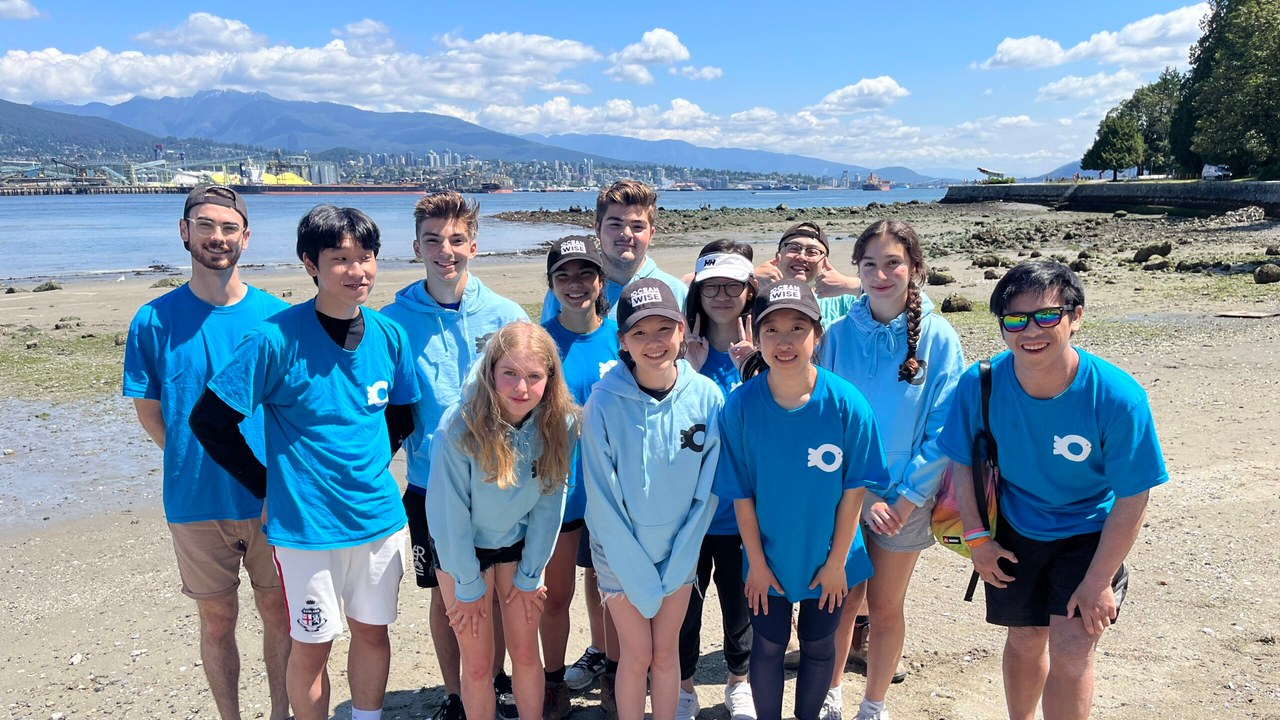
Combine learning journeys, skills workshops and an ocean service project that students help design and deliver in their community.
Who it’s for
Youth aged 15–18 living in Canada who can participate consistently and move a project forward over several months.
Why explore it
Students do more than attend a one-off cleanup. They examine a problem, shape a response, coordinate resources and reflect on what worked.
What students complete or take away
Complete learning journeys and workshops, then carry a concrete ocean service project forward independently or with peers.
Before you start
For ages 15–18, with 120 service hours over eight months. If you are interested in the 2026–27 program, ask Ocean Wise whether applications are open and confirm local dates, costs and available places.
Teens are paired with children in Grades 2–4 and guide informal STEAM exploration with tools such as LEGO, Osmo and Sphero.
Who it’s for
Vancouver residents aged 13–18 who can attend training and every session in a program cycle.
Why explore it
Helping a child experiment asks the volunteer to explain ideas clearly, observe carefully and adjust to the learner in front of them.
What students complete or take away
Complete a series of buddy sessions with library support while practising curiosity-led facilitation and communication.
Before you start
Places open by branch and session. The program is limited to Vancouver residents, with applications due at least one week before the start and training on the first date.
Meet regularly with library staff and other teens to advise on spaces, services, collection promotion and teen programs, then complete projects together.
Who it’s for
Toronto teens who can share ideas, listen to feedback and help turn discussion into action.
Why explore it
This is not a one-off event. It lets students practise advising, collaborating and following through inside a real public institution.
What students complete or take away
Attend twice-monthly meetings totalling about two to four hours and take responsibility for planning, promotion or delivery in group projects.
Before you start
Ask a participating branch whether it is accepting new members. Meeting times and projects are set locally.
Volunteer weekly at selected Vancouver Island hospitals or long-term care homes, supporting patients and residents while joining monthly healthcare career sessions.
Who it’s for
High-school students aged 15–18 in participating communities who can commit to weekly shifts across the school year.
Why explore it
Companionship, listening and confidentiality may look quiet, but they are real responsibilities and a meaningful way to test fit with care work.
What students complete or take away
After training, provide one-to-one or small-group social engagement and learn about clinical and non-clinical roles through career sessions.
Before you start
Fall 2026 recruitment is closed. The next cycle is 2027/28, with applications typically open March 1 to May 15.
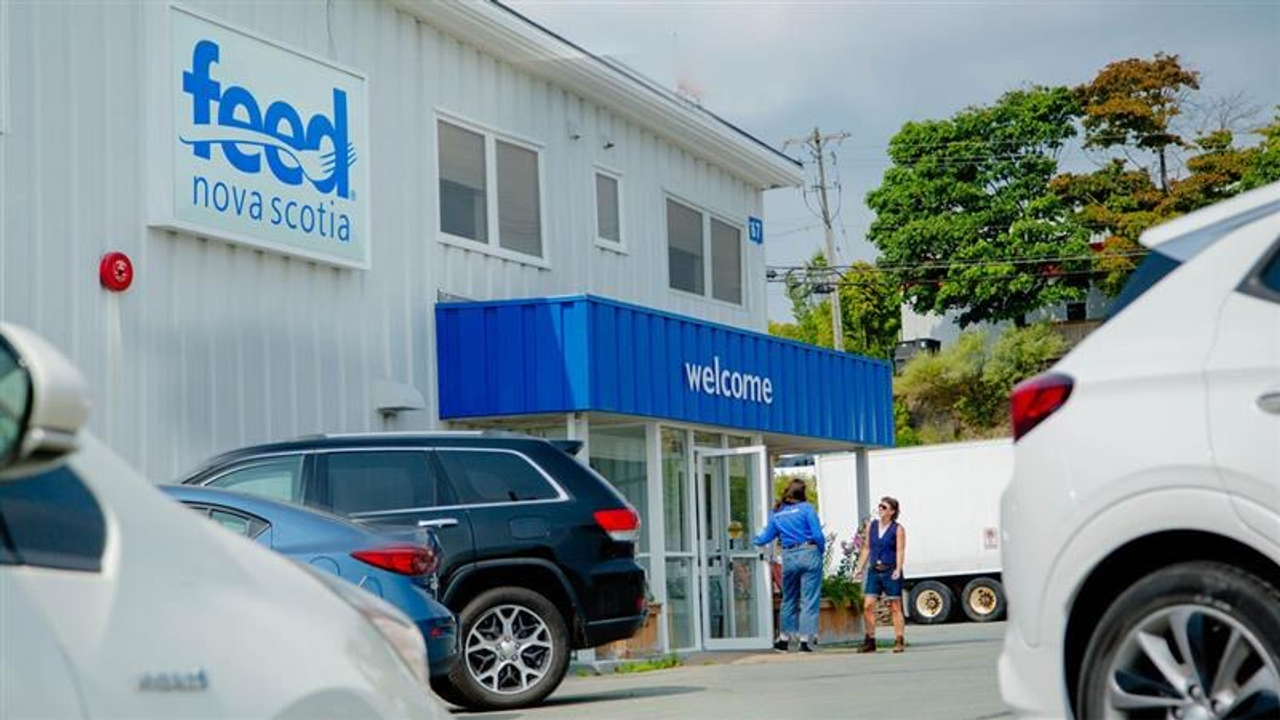
Help inspect, sort and box food or prepare orders in the Dartmouth warehouse that supports Nova Scotia’s food network.
Who it’s for
Youth aged 16–17 who can attend on weekdays and are willing to complete repetitive but necessary warehouse tasks.
Why explore it
It shows students how food-support networks operate and why reliable execution matters as much as enthusiasm.
What students complete or take away
With guardian consent, join warehouse shifts and support food organization and distribution preparation as needed.
Before you start
Youth aged 16–17 may volunteer independently with guardian consent. Warehouse shifts run on weekdays, and current availability must be confirmed by email.
Build coding and digital skills through a free online learning hub. Eligible high-school students can also apply to become National Ambassadors and lead community activities with mentorship.
Who it’s for
Students in Grades 9–12 who support girls and gender-diverse learners in technology and want to turn learning into leadership.
Why explore it
It brings technical learning, peer support and community leadership together for students ready to move from learning themselves to helping others learn.
What students complete or take away
Complete online skill-building; Ambassador participants also plan activities, build leadership experience and receive mentorship.
Before you start
The learning hub is free. National Ambassador recruitment runs by cohort, so confirm the current application window and requirements.
High-school volunteers receive training and are matched with elementary students for sustained one-to-one reading or math tutoring.
Who it’s for
Students in Grades 10–12 in participating BC communities who can attend consistently and prepare carefully for tutoring.
Why explore it
Real tutoring develops patience, observation and explanation. Volunteers must adjust to a child’s response rather than simply repeat an answer.
What students complete or take away
Complete training and sustained tutoring, earn volunteer hours and receive detailed participation recognition under program guidelines.
Before you start
For senior high-school and older volunteers. English communication, a full-term commitment and screening are required; training is provided. Confirm grades, location, online/in-person format and recruitment through the current application.
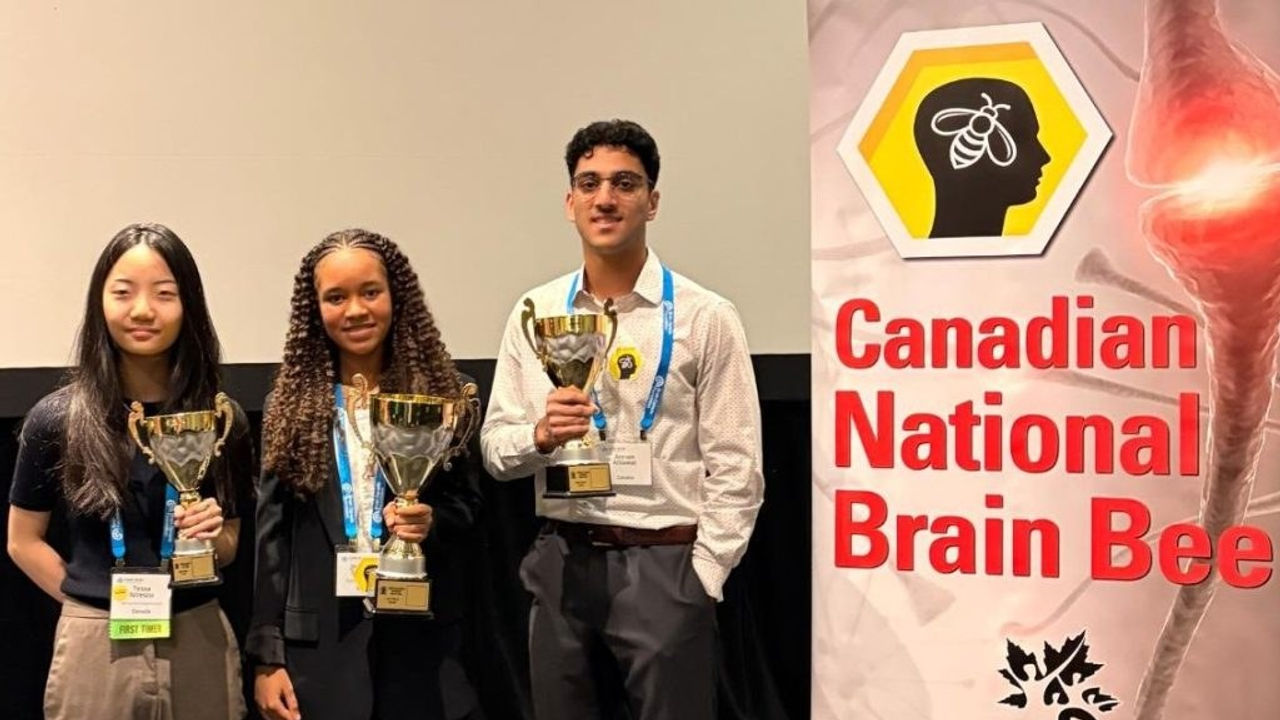
Students test their neuroscience knowledge through a local Brain Bee, with winners advancing to national and international levels.
Who it’s for
Students in Grades 9–12 who are interested in the brain, psychology, medicine or life sciences and willing to prepare systematically.
Why explore it
Published study materials and staged competitions offer a low-cost way to explore neuroscience and understand what the field requires beyond memorization.
What students complete or take away
Complete structured preparation and a local competition, with advancing students continuing to national or international levels.
Before you start
Official study tutoring is free and many local competitions are free. The 2026 cycle has ended; check the local chapter for the next dates.
North American Computational Linguistics Open Competition
NACLO
What it is
Students solve pattern and data problems drawn from real languages without needing prior linguistics or programming study.
Who it’s for
High-school students who enjoy logic, language, codes, mathematics or computational thinking and are comfortable with unfamiliar information.
Why explore it
It brings language and rigorous reasoning into the same challenge, making it a strong test of interdisciplinary interest rather than subject memorization.
What students complete or take away
Complete open practice problems and the competition, with top performers advancing to the invitational stage and further selection.
Before you start
There is no registration fee, but students must participate through a host school or site. The 2026 cycle has ended.
Teams of four to six students and a teacher champion spend the school year researching a global challenge and developing a proposal with University of Toronto mentors and experts.
Who it’s for
Students in Grades 10–12 who want to research a complex issue across disciplines and sustain teamwork through a final presentation.
Why explore it
It asks students to work from evidence, stakeholders and implementation conditions rather than offer an idea that merely sounds well intentioned.
What students complete or take away
Complete issue research, a team solution, mentor sessions and a final symposium presentation.
Before you start
Fees are CAD 50 per public-school student and CAD 150 per private-school student. The 2026/27 timeline has not yet been posted, and the final event is typically held in Toronto.
School teams of three to seven students analyse real ethical cases, engage in dialogue and respond to questions, with judges assessing reasoning and listening rather than debate tactics.
Who it’s for
Students in Grades 9–12 who enjoy social questions and are willing to understand opposing views seriously.
Why explore it
It develops the ability to explain reasons, revise a view and respond to others under uncertainty, closer to real public discussion than simply winning an argument.
What students complete or take away
Complete case preparation, a regional Ethics Bowl and judged dialogue, with qualifying teams advancing nationally.
Before you start
Schools form teams and register through a regional organiser. Fees and waiver policies vary by region.
Youth members plan conservation actions, events, presentations and public communication around biodiversity and environmental policy with organizational support.
Who it’s for
Ontario high-school students who care about nature and policy and can commit to meetings and shared projects.
Why explore it
It moves students from personal environmental habits into teamwork, public communication and practical conservation action.
What students complete or take away
Contribute to council projects, public events and conservation initiatives while building verifiable responsibility and volunteer hours.
Before you start
Applications for 2025/26 are closed. The website does not list a standard participation fee, so confirm the next intake’s timing and terms.
Join a local or virtual two-day hackathon and use open data from NASA and partner agencies to build solutions for Earth and space challenges.
Who it’s for
Students interested in science, coding, design, data or storytelling who want to build a prototype with a team under time pressure.
Why explore it
Real open data and interdisciplinary challenges give different skills a place on the same project and test whether a team can turn an idea into a demonstrable result quickly.
What students complete or take away
Complete a team prototype, presentation and local judging, with selected projects advancing to global review.
Before you start
The next global challenge is scheduled for November 14–15, 2026. Local sites may differ in age rules, format and fees.
High-school girls build direction and career confidence through nine months of one-to-one mentorship, weekly touchpoints, monthly meetings and skills workshops.
Who it’s for
High-school girls facing socioeconomic barriers who want sustained career mentorship and live in a current service region.
Why explore it
A sustained relationship gives students time to ask real questions, try again and observe how a professional woman makes choices, offering more depth than a single talk.
What students complete or take away
Complete nine months of mentoring, five skills workshops and progress toward personal goals while building a career-support network.
Before you start
The 2026/27 intake remains open in Waterloo, Kitchener and Cambridge, while GTHA and Hamilton are closed. The website does not list a participation fee, so confirm before applying.
CAGIS STEM Community for Girls and Gender-Diverse Youth
Canadian Association for Girls in Science
What it is
Students join eight to ten hands-on events each year through local or virtual chapters led by STEM professionals across scientific and engineering fields.
Who it’s for
Girls and gender-diverse youth who are still exploring STEM interests and want regular hands-on learning with professionals.
Why explore it
Regular hands-on experience across fields helps students compare interests more honestly than a one-time camp and gradually builds confidence in asking questions and experimenting.
What students complete or take away
Take part in year-round events, complete hands-on activities and gain a concrete view of multiple STEM fields and careers.
Before you start
Annual membership is CAD 75, with additional family members at CAD 35 and fee waivers available. Ages and formats vary by chapter.
Design a youth-led project through four steps: get inspired, map the community, take action and celebrate impact, addressing biodiversity, environmental equity or climate issues.
Who it’s for
Students in Canada who have noticed an environmental or community issue and are ready to begin with a focused local action.
Why explore it
Students do more than join an existing activity. They practise observing a community, defining a problem, organising action and explaining the result.
What students complete or take away
Complete a community map, action project and impact record, with eligible projects able to seek annual A.P.E. Fund support.
Before you start
The program is free. A.P.E. Fund application windows change annually, so confirm the current timeline and terms separately.
Choose guided group volunteer projects across Calgary and surrounding communities, from one-day activities to ongoing service.
Who it’s for
Students aged 12–18 who are still in high school and want to explore different forms of service around their schedule.
Why explore it
Each project includes team leadership, a task briefing and guided reflection, making it a practical way to discover which community issues genuinely matter to the student.
What students complete or take away
Complete documented volunteer hours across different team projects, with a reference letter available after 20 hours.
Before you start
A parent or guardian must sign the waiver, and students arrange their own transportation. Some projects add age limits and places fill quickly.
Build a one-to-one peer mentoring relationship with a young person aged 6–15 in Toronto or York Region, supported by training, ongoing guidance and activity resources.
Who it’s for
Youth aged 16–29 who live in Toronto or York Region and can commit about ten hours each month for one year.
Why explore it
The value of one-to-one mentoring comes from long-term reliability, listening and adapting support, not a short burst of enthusiasm at a single event.
What students complete or take away
Complete mentor training, a sustained match and activity records while building communication, leadership and critical-thinking skills.
Before you start
This is a one-year commitment, not a quick way to collect hours. Confirm the service area and current matching process before applying.
Volunteer with a local Scouts group, helping lead activities while holding a defined duty of care and safety responsibility for younger members.
Who it’s for
Youth aged 14–17 who can complete screening and training and serve consistently within a structured team.
Why explore it
This is more than lending a hand. It teaches activity preparation, safety standards and responsibility for younger participants.
What students complete or take away
Complete youth-volunteer training and sustained service, with experience in activity leadership, teamwork or roles such as Youth Commissioner.
Before you start
Non-members may apply, but a parent or guardian must register the youth and current screening and training requirements still apply. Local group capacity varies.
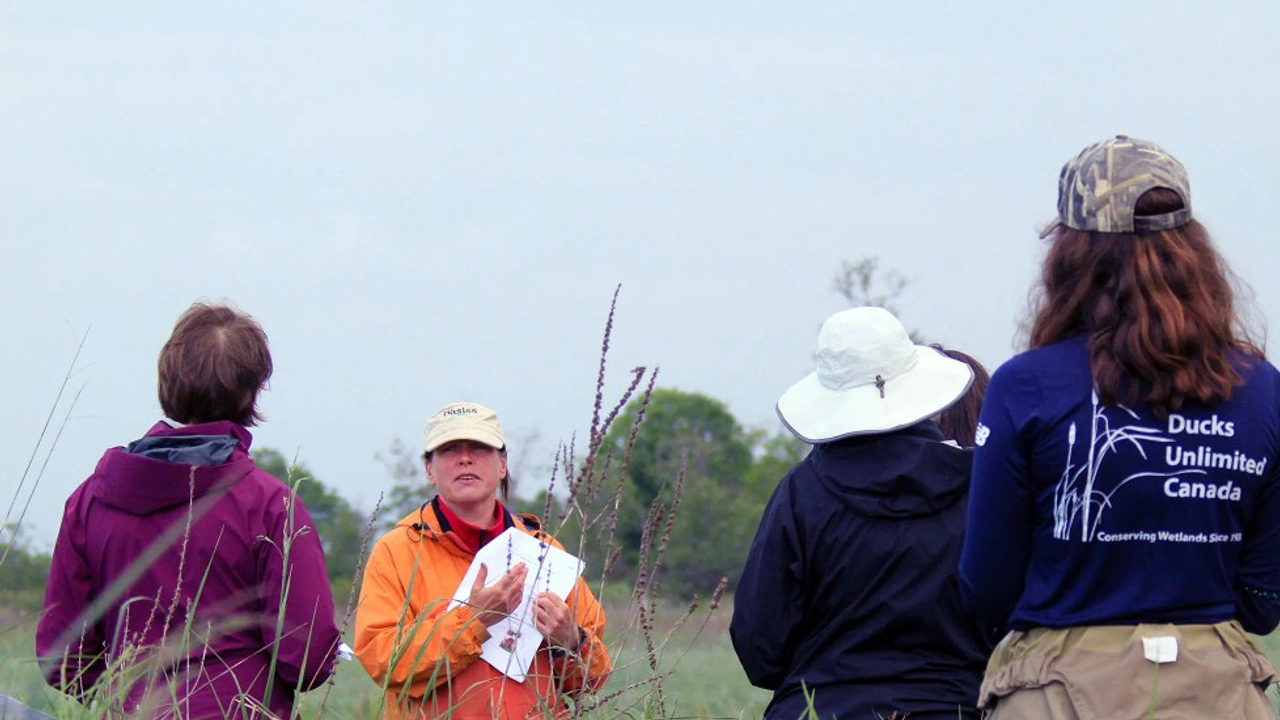
Depending on local openings, support wetland-conservation events, community fundraising, public education or project and office work.
Who it’s for
Students who care about wetlands, wildlife or the environment and can complete role-specific training and attend reliably.
Why explore it
Conservation organizations need more than fieldwork. Events, education, communication and operations let students compare different ways of contributing through real roles.
What students complete or take away
Complete training, attendance and practical duties in a defined role while learning how nonprofit conservation work operates in a community.
Before you start
Roles and cities change. All volunteers under 18 need written guardian consent. Those under 14 require a family member or guardian, while youth aged 14–17 must be accompanied by another adult volunteer or staff member.
Design and deliver a youth-led community project with CAD 500–5,000 in funding, learning tools and support from the Canadian Red Cross.
Who it’s for
Youth aged 16–30 who are Canadian citizens, permanent residents or have refugee status in Canada and have a community issue or action idea.
Why explore it
Students define the project, manage a budget, deliver activities and report results, creating a real practice ground for leadership and responsibility.
What students complete or take away
Complete a youth-led community project, budget and results record, with verified volunteer hours and a certificate or letter of participation.
Before you start
For Cohort Three in 2026, applicants must attend an online information session by August 10 and apply by August 15. Applicants aged 16–18 need a parent or guardian involved in the application process.
Educators lead hands-on environmental action in the school community and record student impact from the school to the national level.
Who it’s for
Secondary students who want to lead school-based action for biodiversity, climate or wildlife and can involve an educator or school.
Why explore it
It turns environmental concern into practical school action and asks students to record results, showing how focused local work adds up to wider impact.
What students complete or take away
Complete a school environmental activity, implementation record and impact data, while educators can access activities and project grants.
Before you start
Students do not register the school independently. An educator must involve the class or school, and current activity and grant terms should be checked on the program site.
Students aged 12–18 plan at least two service projects each year through a school or community Interact club, working with a local Rotary club.
Who it’s for
Students who want sustained community service and are ready to learn meetings, roles, fundraising and project delivery.
Why explore it
A strong Interact club gives students meaningful responsibility for planning and delivering service projects. Its value depends on how much decision-making and delivery students truly own.
What students complete or take away
Complete at least two service projects and build clear evidence through planning, communication, fundraising or team leadership.
Before you start
Students join or create a club through a school or local Rotary club. Fees, program quality and availability vary by community.