
BonaVia × ExpertEase | Brand, Entrepreneurship and Product Innovation Career Program
Marketing, Brand Strategy, Entrepreneurship & Product Innovation Career Program
Guided by a Co-Founder of MotionGrey, students work through a real brand-growth challenge. Beginning with consumer needs, the product and its market position, they develop brand strategy, content and influencer marketing, a product-launch plan, growth metrics, e-commerce and operational considerations, then combine those decisions into an innovation proposal they can explain and present.
- Grades 9–12
- 12 Weeks
- 120 Hours
- Online
- No Prior Entrepreneurship or Marketing Experience Required
Mentor & Program Supervisor
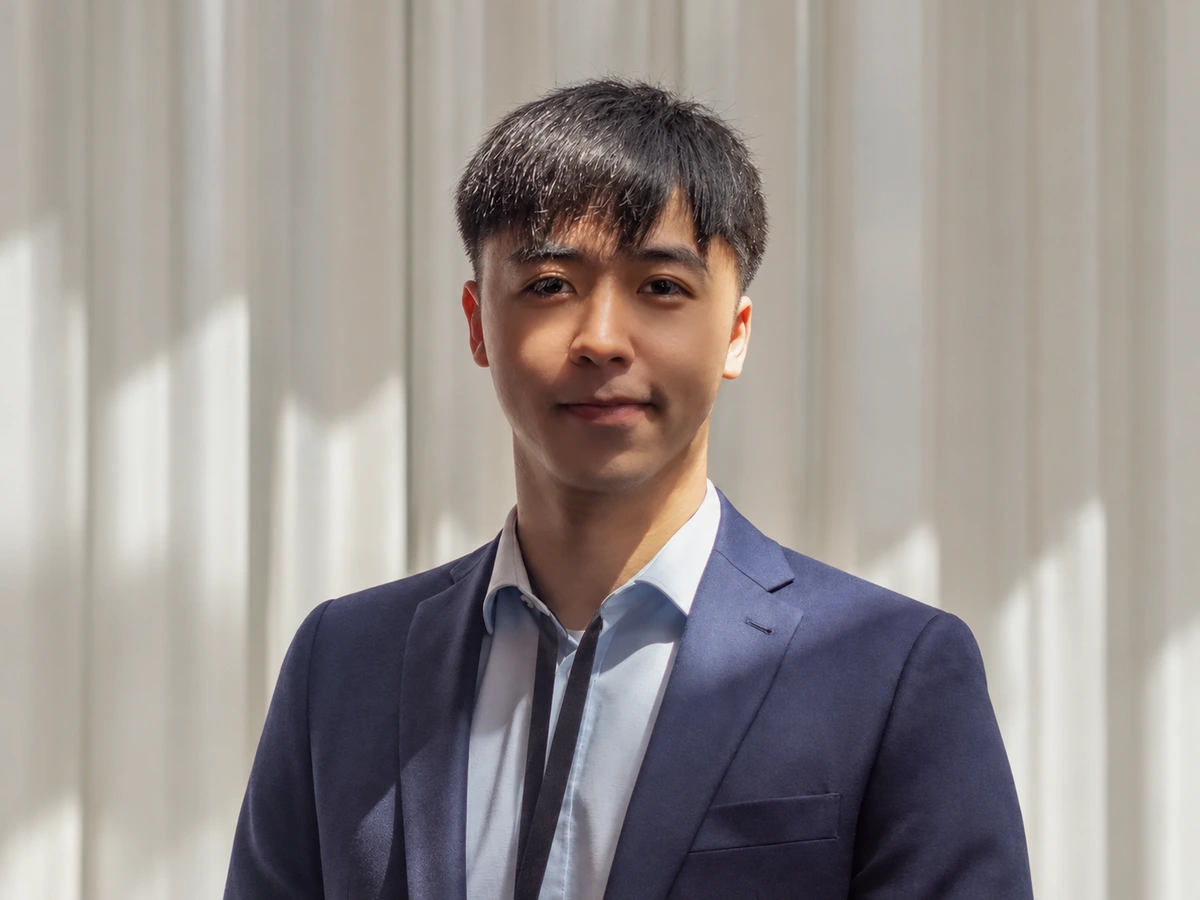
Gavin Cheung
Co-Founder, MotionGrey | BC Business 30 Under 30
- Helped build MotionGrey from a bootstrapped startup into an eight-figure brand
- The brand has served more than 500,000 customers across North America
- Experience across product design, brand, customer experience, e-commerce and startup operations
- Experience developing strategic platform relationships including Amazon and Alibaba
Gavin will guide students in building brand and product judgment from a customer problem, understanding the trade-offs founders make across resources, growth and operations, and turning an idea into an innovation plan with market logic, execution steps and measures of success.
More industry experience
Mentor Company
MotionGrey

MotionGrey is a Canadian ergonomic furniture and workplace brand focused on standing desks, seating and healthier work environments. The company has developed through a direct-to-consumer e-commerce model while also serving business customers, connecting product, digital marketing, customer experience and supply-chain operations into one growth system.
What Students Complete
Every growth idea must withstand the reality of the customer, data and operations.
Together, these outcomes show how a student understands consumers, builds a brand, designs product and growth strategy, and turns creativity into an executable commercial proposal.
Brand and Business Diagnosis
Explain the current product, customer, positioning, channels and the growth problem that deserves priority.
Consumer and Competitor Research
Analyse target customers, buying motivations, market trends and competitive differences.
Brand Positioning and Messaging System
Build the value proposition, brand voice, core messages and expression of differentiation.
Product or Go-to-Market Plan
Design a product concept, audience, launch rhythm, content and channel combination.
Content and Influencer Marketing Plan
Plan social content, creator partnerships, digital storytelling and community connection.
Growth Metrics and Operating Roadmap
Define funnel, click-through, retention and customer-value measures while considering e-commerce, inventory, logistics and execution.
Final Innovation Proposal and Presentation
Present the full recommendation, answer questions and explain key trade-offs, risks and next steps.
AI Growth Tool Prototype for the Mentor Company
Design a demonstrable AI tool for a focused consumer, product or growth-operations task that can be tested and refined.
How the 12 Weeks Work
From the first consumer insight to a brand and growth proposal that can withstand founder scrutiny.
Six stages build around one brand-growth problem. Students understand the customer and product, establish positioning, communication, launch and operating strategy, then complete the final innovation proposal.
Program features and support
What Makes This Program Different
Students learn how product, market, operations and growth support a company together.
Guided by a Founder and Brand Builder
Students learn from a mentor with experience building a consumer brand, expanding e-commerce and business customers, and managing product and operating decisions.
One Brand-Growth Challenge Throughout the Program
Consumer research, positioning, product, content, channels, metrics and operations all build around the same brand objective.
Creativity Connected to Commercial Execution
Students consider not only whether an idea is appealing, but whether customers need it, the brand can communicate it and operations can support it.
Students Work Through the Trade-offs Founders Face
They explain what deserves priority, what should not be done yet, and which data or feedback would change the next move.
Full program overview
From Entrepreneurial Curiosity to the Real World of Brand Building
Sustainable brand growth comes from product, positioning, channels, operations and customer experience working together.
Students begin with a specific brand or product-growth challenge and examine why customers buy, how the product creates value, how the brand earns trust, how channels reach users, and how inventory, logistics, cost and team execution affect growth. Throughout the project, they ask one question: can this idea attract customers and operate as a viable business?
- 01Understand the brand, product, customer and current growth challenge
- 02Research consumer behaviour, competition and market opportunity
- 03Build brand positioning, value proposition and product direction
- 04Design content, influencer, e-commerce and launch strategy
- 05Examine metrics, operations, supply chain and scaling constraints
- 06Complete an innovation proposal and present it to a founder mentor team
Professional topics and methods
Three Connected Dimensions
How Brand, Growth and Founder Decisions Build a Business
The three dimensions answer one entrepreneurial question: why customers should choose the brand, how growth happens, and whether the company can reliably deliver what it promises.
Brand and Consumer Strategy
Understand customer needs, positioning and messaging to build a value proposition people can believe and choose.
- Build customer profiles and need insights
- Define positioning, messaging and differentiation
- Design brand content and customer experience
- Judge whether the brand promise is clear and credible
Digital Growth and E-Commerce
Examine channels, funnels, content, retention and e-commerce experience to design a growth path that can be measured and improved.
- Plan social, influencer and channel strategy
- Understand traffic, conversion, retention and customer value
- Examine e-commerce platforms and the customer journey
- Use evidence to improve the growth approach
Founder Thinking and Business Operations
Understand how founders make trade-offs across product, pricing, supply chain, customer experience and expansion.
- Examine the business model and revenue logic
- Judge product, price and market fit
- Understand inventory, logistics and fulfilment
- Turn a growth idea into a staged operating plan
- 01
Weeks 1–2
Brand, Product and Growth Problem
Understand how the business creates value, who the current customer is, what the growth objective means and which question deserves investigation.
- 02
Weeks 3–4
Consumer and Competitor Research
Analyse customer needs, buying behaviour, competing brands and market trends, identifying opportunity, friction and differentiation.
- 03
Weeks 5–6
Brand Positioning and Product Value
Build the target audience, value proposition, brand message and product direction, clearly answering why this brand should matter.
- 04
Weeks 7–8
Content, Influencers and Product Launch
Plan social media, creator partnerships, digital storytelling and the go-to-market path, translating positioning into visible action.
- 05
Weeks 9–10
Growth Metrics, E-Commerce and Operations
Understand funnels, A/B testing, click-through, retention, lifetime value, and how supply chain, inventory and fulfilment affect growth. Students also design a focused AI tool prototype for a mentor-company brand-growth workflow, supporting consumer insight, product judgment or operations and explaining how it fits into a real business process.
- 06
Weeks 11–12
Final Innovation Proposal and Venture Presentation
Integrate brand, product, marketing and operating judgment, present to the founder mentor team and explain execution priorities.
See whether this learning path is a good fit.
Apply for a Student Fit Review↓Personalized Learning Design
The entrepreneurial pathway is designed around each student’s existing commercial, creative and execution skills.
The team considers the student’s familiarity with markets, branding, content, product and digital tools, then tailors preparation materials, foundational instruction and stage-specific support. A beginner can first build foundations in consumers, brand and business models, while a more experienced student can take on deeper product launch, growth metrics, e-commerce and operating analysis.
The entry point and project depth may differ, but every student must complete a proposal grounded in the customer, supported by execution logic and capable of withstanding founder questions.
Tailored Founder Foundations
Preparation in customers, business models, branding, product, channels and operations is selected around the student’s starting point.
Personalized Innovation Pathway
The project can place greater emphasis on brand, product, marketing or operations according to the student’s strengths.
Stage-Specific Founder Feedback
Students receive targeted guidance during positioning, product, growth, operations and proposal stages.
Student Experiences
What Students Say
11 student perspectives
These reflections come from students across different BonaVia × ExpertEase career programs. Each card identifies the student’s original program, mentor background and year.
01/11
Ready to explore whether the program is a good fit?
Apply for a Student Fit Review↓Starting Point
Who Is This Program For?
- Open to students in Grades 9–12
- No prior entrepreneurship, marketing, branding, product or e-commerce experience required
- Relevant to students exploring entrepreneurship, brand strategy, consumer psychology, product innovation, digital marketing, e-commerce or business operations
- Students should be ready to research customers, develop ideas, analyse data and take responsibility for commercial trade-offs.
What this experience can mean for growth
Growth and University Preparation
Strong entrepreneurship work explains how an idea became an operable plan.
The program title alone does not determine a university outcome. What matters is whether the student can explain the consumer research, product choices, growth constraints and operating priorities behind the final plan.
These experiences can help students understand entrepreneurship, business, marketing, branding, product management, e-commerce and operations more realistically while giving them founder thinking, judgment and outcomes they may later discuss in applications, résumés, portfolios and interviews.
Application process and schedule
Apply to the Program
Program Application
The program is open to students in Grades 9–12, with no prior entrepreneurship or marketing experience required. Preparation materials, the innovation pathway and project support are personalized to the student’s starting level so they can build the required foundation and progress through consumer research, brand strategy, product and growth planning, operating analysis and the final venture proposal.
Application Process
- 01Interest Form
- 02Fit Assessment & Interview
- 03Admission and Enrolment
The regular format runs for 12 weeks, with an average commitment of 10+ hours per week. The summer intensive runs for about 1.5 months, with an average commitment of 20+ hours per week. The program is fully online.
Start Here
Complete the 1-Minute Student Fit Form
Tell us about the student’s current grade, entrepreneurship and brand interests and goals. BonaVia will consider the student’s commitment, learning style and starting point, then help the family understand whether this experience is a good fit.
Selected programMarketing, Brand Strategy, Entrepreneurship & Product Innovation Career Program
Thank you. Your form has been received.
We have received the Student Fit Form for the Marketing, Brand Strategy, Entrepreneurship & Product Innovation Program. BonaVia will review the student’s grade, goals, current foundation and readiness, then follow up to discuss fit and next steps.